Chester Hill Auto 101: A Gen X Ride Guide
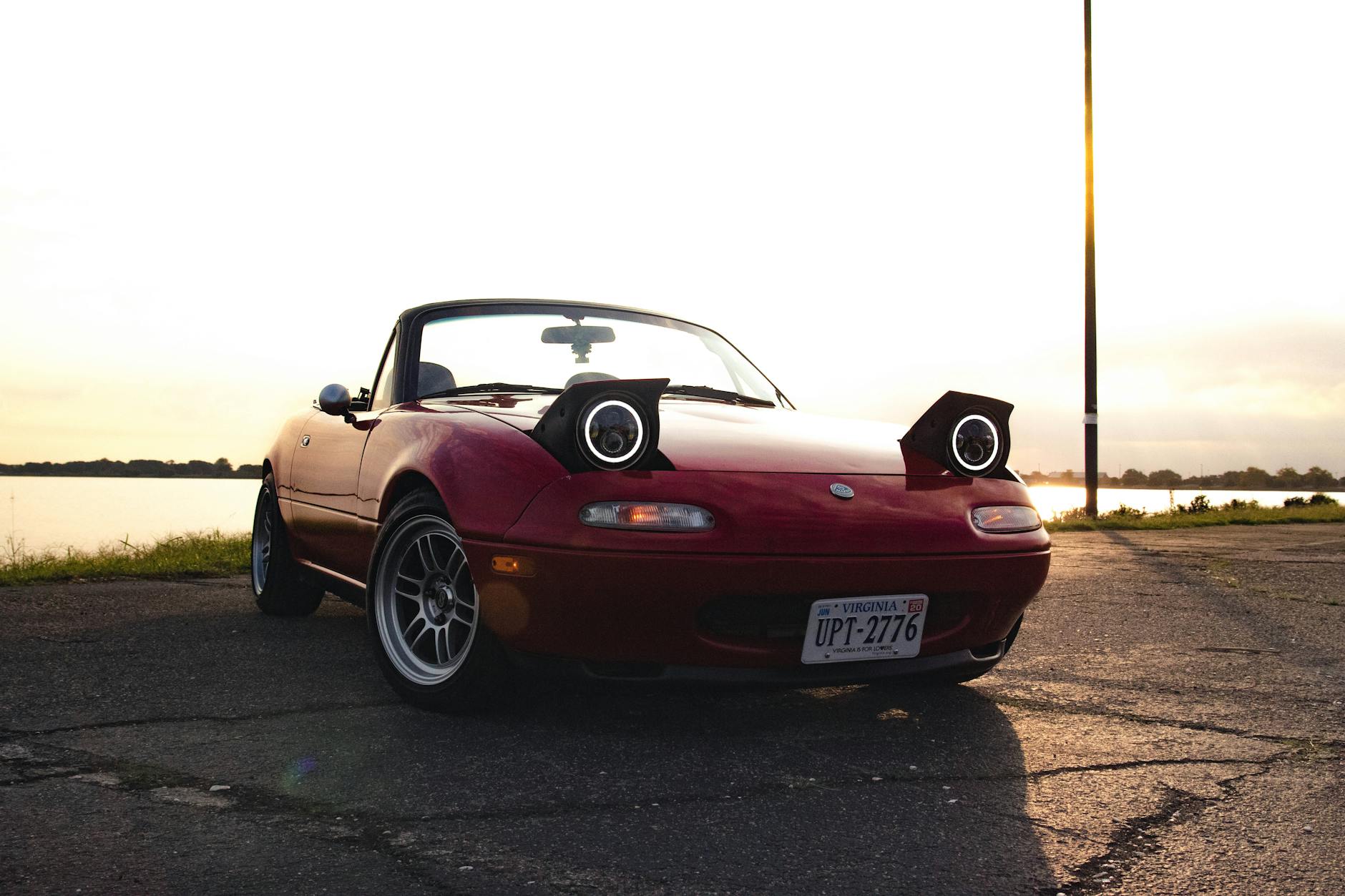
Cars are more than just a means of transportation; they are a piece of history and passion, especially for Generation X enthusiasts who have a unique appreciation for classic rides. Chester Hill Auto 101 is tailored to cater to the interests and needs of Gen Xers who seek to keep their beloved vehicles running smoothly. Here, we aim to educate and provide essential car care tips to maintain the integrity of your classic cars.
Understanding Your Classic Car
History and Value
Before diving into maintenance, it's important to understand the history and intrinsic value of your vehicle. Classic cars often come with a story, whether it's an emotional attachment or a milestone in automotive evolution. Knowing your car's background can guide you to the type of care it deserves.
Mechanical Basics
Familiarize yourself with the basic mechanical aspects of your classic car. Unlike modern vehicles, many of these rides are free of computerized systems, which means you'll encounter more mechanical and analog components. Essential systems to understand include:
-
The Engine: Know the type of engine, how it operates, and the common issues that may arise.
-
Transmission Manual or automatic, the transmission is key to your driving experience.
-
Braking System: Often less sophisticated than their modern counterparts, classic car brakes require specific knowledge for maintenance.
-
Electrical System: Usually simpler, but can be finicky with age.
Maintenance Essentials
Regular maintenance is vital to keeping your classic car in peak condition. Each vehicle may have its own specific needs, but certain care tips are universal.
Oil Changes
Change the oil every 3,000 to 5,000 miles, or as advised by your car manufacturer or mechanic. Old oil can lead to engine wear and tear, so it's crucial to keep it clean and fresh.
Rust Prevention
Rust is the enemy of classic cars. Protect your investment by keeping the car clean, dry, and stored properly when not in use. Regularly inspect for rust spots and treat them promptly.
Tire Care
Periodically check your tires for wear and tear, proper inflation, and signs of aging. Remember, even tires that look new can be compromised if they've been on the wheels for too many years.
Battery Maintenance
Classic car batteries can lose charge faster, especially if the vehicle isn't driven regularly. Use a trickle charger to maintain the battery level and ensure it's ready for your next ride.
Regular Inspection
Regularly inspect hoses, belts, and fluids. Look for signs of wear or leaks, and address issues immediately to prevent bigger problems down the road.
Keeping It Classic
When maintaining your classic car, strive to use original parts wherever possible. This not only preserves the authenticity of your vehicle but can also be a fun aspect of owning a classic car—hunting for those rare parts!
Troubleshooting Tips
Arm yourself with a good repair manual that is specific to your car's make and model. Online forums and local car clubs can be great resources for troubleshooting common issues.
Safety Considerations
While classic cars may not come with all the modern safety features, it's important to ensure that all available safety components are in good working order. This includes the brakes, lights, horn, and seatbelts.
Enjoying the Ride
Remember, owning a classic car is as much about the journey as the destination. Enjoy the process of learning, maintaining, and driving your classic ride.
With these tips from Chester Hill Auto 101, you're well on your way to keeping your classic car running smoothly and maintaining its legacy. Whether you're cruising down the highway or showcasing your vehicle at a car show, your Gen X spirit and dedication to car care will keep the engine purring for years to come.