Fix It Right: Boomers Guide to Repair Automotive
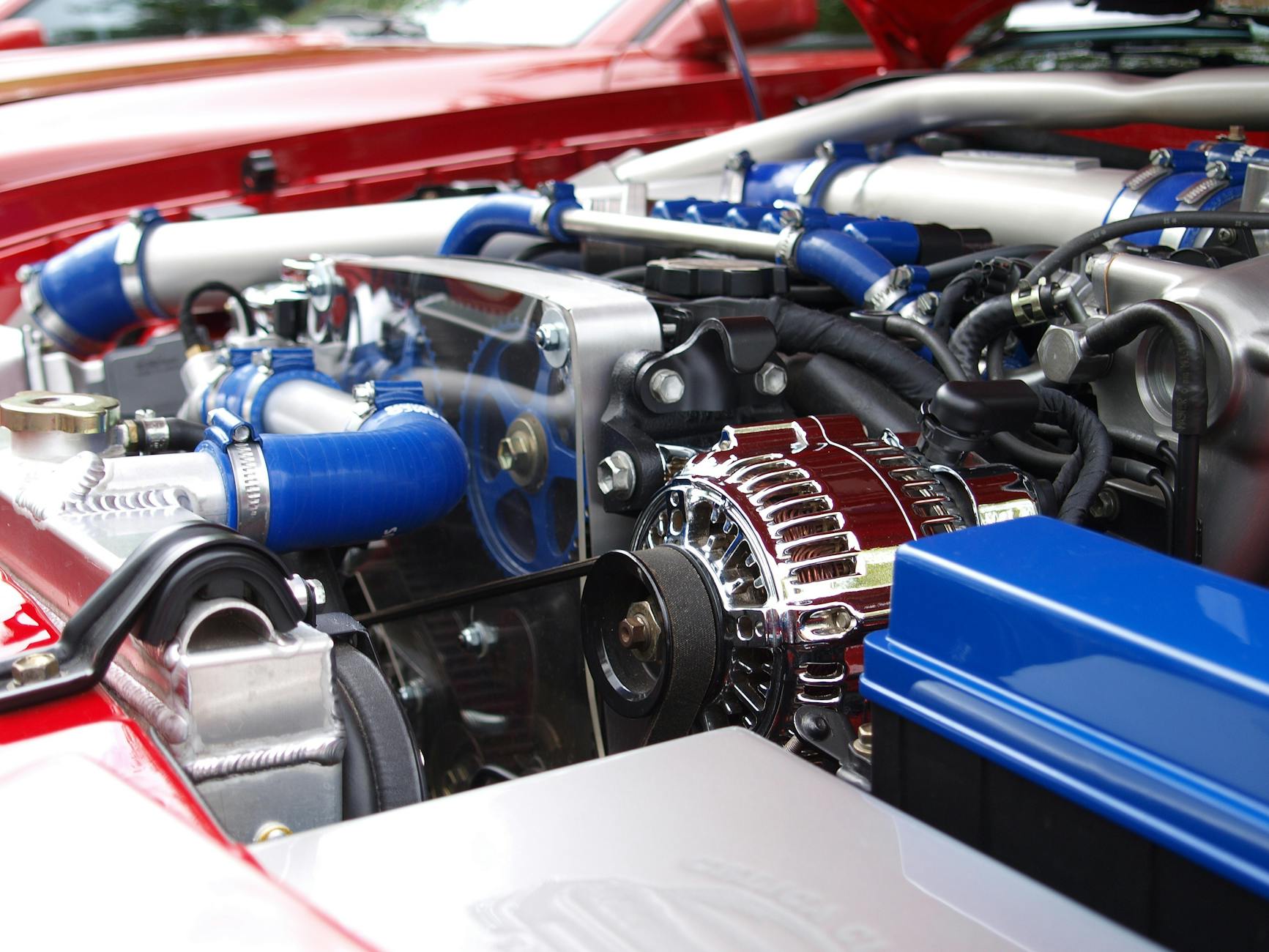
As Baby Boomers reach their retirement years, many are looking to cut expenses and stay active in maintaining their lifestyle, which often includes taking care of their own vehicles. Understanding the basics of auto repair can save money and provide a sense of accomplishment. This guide offers key insights into diagnosing and fixing common car issues, specifically curated for the older generation who may not have grown up in the digital age of cars but still wish to be hands-on in their automotive care.
The Importance of Automotive Knowledge
For many boomers, cars are more than just a mode of transportation; they're a symbol of freedom and independence. With the right knowledge, that doesn't have to change as you get older. Grasping the fundamentals of automotive repair can help:
-
Avoid unnecessary expenses: Knowing how to perform some simple repairs can prevent costly trips to the mechanic.
-
Maintain safety: Regularly checking and maintaining your vehicle can reduce the risk of accidents.
-
Stay independent: Being able to fix minor issues on your own means you won't have to rely on others.
Getting Started with Basic Maintenance
Before you dive into more complex repairs, it's important to understand the basics. Here are some areas where you should focus your initial learning:
-
Car’s manual: Familiarize yourself with your car’s manual. It’s full of important information about the car's features and maintenance schedules.
-
Regular inspections: Conduct routine checks on your tires, brake fluid, oil level, and coolant to catch issues early.
-
Oil changes: Learn how to change your car's oil and oil filter—classic maintenance tasks that all car owners should master.
-
Tire maintenance: Know how to check tire pressure, add air, and change a flat tire.
Diagnosing Common Car Issues
With some basic knowledge in place, let's look at how to diagnose common issues:
-
Strange noises: Squealing or grinding when braking could mean your brake pads are worn. A knocking sound from the engine might indicate a problem with the fuel or ignition system.
-
Electrical problems: Dimming lights or trouble starting the car might be signs of battery or alternator issues.
-
Engine overheating: Check the radiator, hoses, and fluid levels if your temperature gauge rises higher than usual.
Performing Simple Repairs
Once you've diagnosed a problem, you might find that the repair is something you can handle. Here are a few repairs that don't typically require a professional mechanic:
-
Replacing windshield wipers: This is a simple task that can greatly improve visibility during inclement weather.
-
Changing air filters: A clean air filter ensures your engine is not starved of air, which can lead to reduced efficiency and power.
-
Swapping out batteries: With a wrench and a little elbow grease, you can replace a car battery safely.
When to Call a Professional
Some repairs should be left to a professional. If you're unsure about a problem or how to fix it, don't hesitate to take your car to a certified mechanic. You should especially avoid DIY when it comes to:
-
Transmission issues: These are often complex and require specialized tools and knowledge.
-
Suspension problems: Working on the suspension system improperly can lead to safety issues.
-
Electrical system: Modern cars have intricate electrical systems that can be easily damaged without proper training.
Safety Tips for Older DIY Mechanics
Safety is always the priority, particularly for those who may not move as swiftly as they once did:
-
Use proper tools: Invest in quality tools and make sure you have the right tool for each job.
-
Keep a clean work area: A tidy garage or driveway reduces the risk of accidents.
-
Don’t overexert: Listen to your body, take breaks, and don’t attempt to lift heavy parts if you’re not able to.
Conclusion
Armed with the right information and a can-do attitude, Baby Boomers can continue to enjoy the independence cars provide by learning how to maintain and fix their vehicles. Remember, knowledge is power, and with this guide, you'll be better equipped to handle common car issues confidently and safely.