Next-Gen Auto Electrics: Slick Circuitry 101
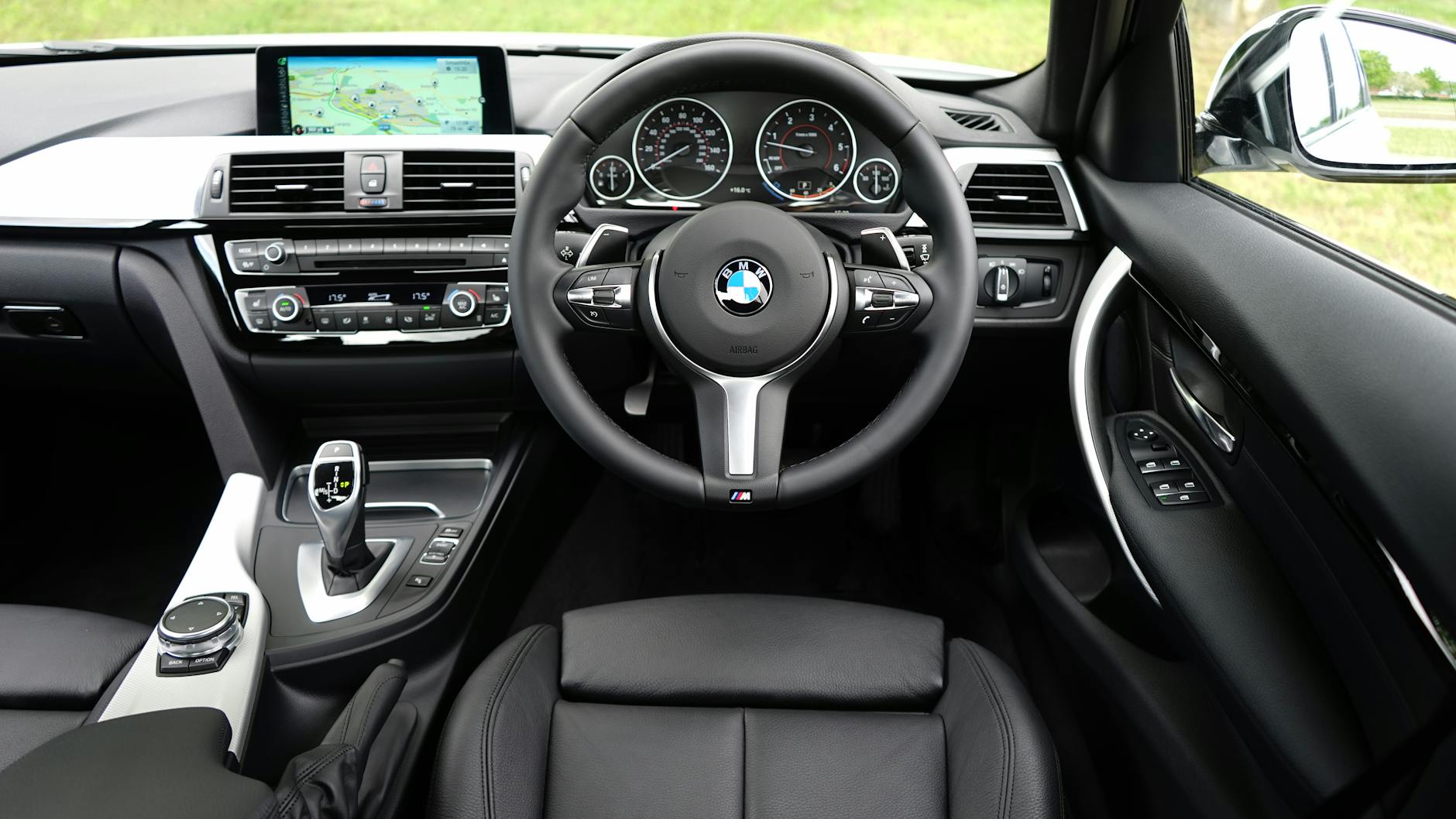
In the rapidly evolving landscape of automotive technology, the future has arrived with a surge of electric currents. The heart of any vehicle lies within its electrical system, and as we transition from traditional internal combustion engines to hybrid and fully electric vehicles, innovation in automotive circuitry has never been more critical.
The Evolution of Automotive Electrical Systems
Traditional vehicles were known for their relatively simple electrical systems, consisting primarily of a battery, alternator, starter, and a smattering of lights and analog components. The rise of computerization brought more complex systems into play, with sensors, infotainment systems, and advanced driver assistance systems (ADAS) becoming standard fare.
The modern automobile is now a canvas of innovation, with electrical systems that not only power the vehicle but are integral to performance, safety, and the overall driving experience.
Seamless Integration of Complex Circuits
Today's electric and hybrid vehicles are marvels of engineering, featuring circuits that manage everything from battery management to power distribution and from advanced telemetry to self-driving capabilities. These complex systems require sophisticated control units and software to ensure seamless operation.
The Role of Software in Auto Electrics
The rise of electric vehicles (EVs) has heightened the importance of software in managing electrical systems. Software is now essential for:
-
Battery Management: Precisely monitoring cell voltage and temperature to optimize battery life and performance.
-
Motor Control: Managing the precise delivery of power to electric motors to ensure efficient propulsion.
-
Regenerative Braking: Capturing kinetic energy during braking and feeding it back into the battery system.
-
Thermal Management: Keeping batteries and electronics at optimal temperatures to maximize efficiency and safety.
Innovative Materials and Components
To accommodate the demands of next-generation vehicle electronics, there is a constant drive to develop new materials and components:
-
Flexible Printed Circuit Boards (PCBs): Flexible PCBs can conform to the unique spaces within a vehicle, enabling more efficient layouts and integration of electronics.
-
Silicon Carbide (SiC) and Gallium Nitride (GaN): These materials allow power electronics to operate at higher temperatures and voltages, improving efficiency and reducing the size and weight of components.
-
Solid-State Batteries: These promise higher energy density, faster charging times, and improved safety compared to traditional lithium-ion batteries.
The Push for Electrification and Autonomy
Electrification is not just about replacing the combustion engine with an electric motor; it's about reimagining the entire vehicle architecture. Next-generation autos are being designed from the ground up with electrical systems at their core, enabling groundbreaking features such as:
-
Autonomous Driving: Relying on a labyrinth of sensors and processors, autonomous vehicles need robust and reliable electrical systems to ensure safety and functionality.
-
Connectivity: EVs are increasingly connected to the grid, other vehicles, and infrastructure, introducing new circuits for communication and data exchange.
-
Energy Efficiency: Smart electrical systems manage energy flow meticulously, reducing waste and increasing the range of electric vehicles.
The Challenges Ahead
As we embrace these advancements, the industry must also tackle challenges such as cybersecurity threats, the complexity of software updates, and the supply chain for critical electronic components.
Conclusion
The pulse of innovation in the automotive sector beats through its burgeoning electrical systems. The next generation of auto electrics is ushering in an era of unprecedented efficiency, connectivity, and autonomy. As we peel back the layers of Slick Circuitry 101, we uncover the sheer brilliance that propels us towards a future where vehicles are not just modes of transport but sophisticated electronic marvels moving us toward a more sustainable and connected world.
Discover the future of automotive electrical systems with our expert guide on innovative, efficient circuitry in Next-Gen Auto Electrics. Stay plugged in as the journey continues.